Source Waterproof Breathable Women Ski Jacket for Skiing, Snowboarding, Winter
Compare 30 verified options for a waterproof breathable women ski jacket featuring PFC-free DWR, heat reflective lining, and underarm vents. Buyers can evaluate specifications like 15,000mm waterproof ratings and OEM customization from manufacturers in China; compare the available evidence and request quotations based on your requirements.
Key considerations
Products List


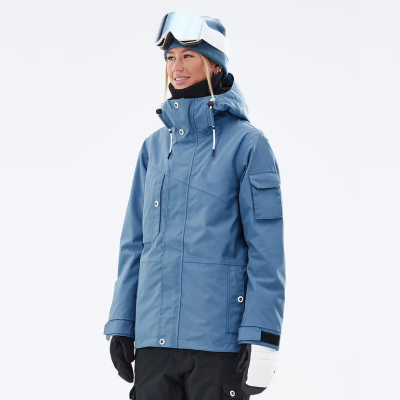


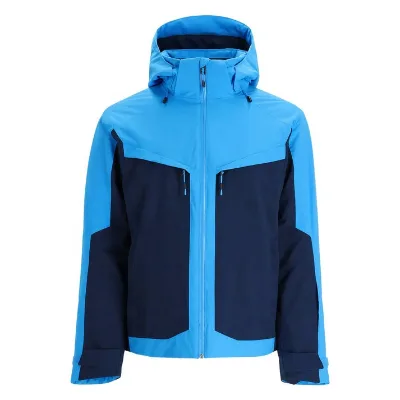


Comprehensive Sourcing Guide
Waterproof Breathable Women Ski Jacket Sourcing Guide
Sourcing high-performance outerwear requires balancing technical specifications with commercial viability. Buyers must prioritize garments that offer reliable protection against harsh winter conditions while maintaining comfort during high-exertion activities. The market offers a wide range of options, from basic windproof layers to advanced waterproof breathable systems. Understanding the distinction between these categories is essential for selecting the right product for your target demographic.
This guide focuses on women’s ski jackets that combine durability with functional design. Key features often include fixed snow skirts, underarm ventilation, and specialized pocket configurations for ski passes and goggles. These elements are not merely aesthetic but serve critical functions in preventing snow ingress and managing moisture. Procurement teams should evaluate these features against their specific operational needs to ensure the final product meets user expectations.
Product Scope and Observed Listing Signals
The current market landscape for waterproof breathable women ski jackets shows a diverse array of models and specifications. Observed listings indicate a price range of $6.99 to $92.73 USD, reflecting variations in material quality, brand positioning, and customization levels. Minimum order quantities typically span from 50 to 5,000 units, allowing flexibility for both small boutique brands and large-scale retailers. This wide variance necessitates careful evaluation of value propositions beyond mere unit cost.
Product attributes frequently highlighted include polyester construction, PFC-free DWR treatments, and high waterproof ratings such as 15,000mm. Breathability ratings around 15,000G/M²/24h are also common indicators of performance. Models like 13026-1064 and SJW-0069 demonstrate the variety available, with options for custom logos and OEM/ODM services. Buyers should verify these claims through sample testing rather than relying solely on listing descriptions, as performance can vary significantly between batches.
Technical Specifications to Verify
Technical verification is paramount when sourcing ski apparel. Key specifications to confirm include the waterproof rating, breathability metrics, and the type of DWR treatment applied. A waterproof rating of 15,000mm suggests suitability for heavy snowfall, while breathability of 15,000G/M²/24h indicates effective moisture vapor transmission. Additionally, the presence of SBS zippers and heat-reflective lining materials can enhance durability and thermal efficiency. These components must be inspected for quality and consistency.
Other critical technical aspects include the design of ventilation systems, such as underarm zipper vents, and the integration of fixed snow skirts. Pocket designs should accommodate ski passes and goggles securely. Carton dimensions, often around 60cm40cm40cm, impact logistics and storage efficiency. Buyers should request detailed spec sheets for each model, ensuring that size ranges from S to XXL are accurately defined and that customization options align with their branding requirements.
Compliance and Safety Documentation
Compliance with international safety and environmental standards is non-negotiable in the apparel industry. Buyers must ensure that suppliers provide documentation verifying the use of PFC-free DWR treatments, which are increasingly mandated due to environmental regulations. Certifications related to chemical safety, such as OEKO-TEX, should be requested to guarantee that the polyester materials and linings are free from harmful substances. This is crucial for maintaining brand reputation and meeting consumer expectations for sustainable products.
Furthermore, compliance with labeling and packaging standards is essential. Products should clearly indicate material composition, care instructions, and country of origin, which is often China or specific regions like Taian. Buyers should verify that packaging meets international shipping requirements, including polybag specifications and carton labeling. Ensuring that all documentation is up-to-date and verifiable helps mitigate risks associated with customs clearance and regulatory audits in destination markets.
Cost Drivers and Commercial Terms
Several factors influence the final cost of waterproof breathable women ski jackets. Material quality, particularly the grade of polyester and the effectiveness of the DWR treatment, significantly impacts pricing. Customization options, such as unique logos, specific colors, and tailored sizes, add to the production complexity and cost. Minimum order quantities also play a role, with larger orders typically benefiting from economies of scale, reducing the per-unit price.
Commercial terms, including lead times and payment structures, are critical for supply chain planning. Production lead times can range from 45 to 60 days, with delivery times sometimes extending to 60-90 days. Buyers should negotiate clear terms regarding sample times, which are typically 7-10 days, and establish penalties for delays. Understanding these commercial dynamics allows for better budgeting and inventory management, ensuring that products arrive in time for the winter season.
Supplier Qualification and Quality Control
Selecting a reliable supplier involves rigorous qualification and quality control processes. Buyers should verify the supplier’s business type, ensuring they are a manufacturer and exporter with a proven track record. Factory audits, whether conducted in person or by third-party agencies, are essential to assess production capabilities, quality management systems, and ethical labor practices. This due diligence helps prevent issues related to inconsistent quality or supply chain disruptions.
Quality control measures should be integrated into the procurement process from sample approval to final shipment. Inspections should focus on stitching integrity, zipper functionality, and the uniformity of waterproof coatings. Given the high-stakes nature of winter sports apparel, even minor defects can lead to product failures. Establishing clear acceptance criteria and conducting pre-shipment inspections ensures that the final products meet the specified standards and perform as expected in real-world conditions.
Long-Term Procurement Checks
Long-term success in sourcing ski jackets requires continuous monitoring and relationship management. Buyers should regularly review supplier performance metrics, including on-time delivery rates, defect rates, and responsiveness to issues. Building a strong partnership with suppliers can lead to better pricing, priority production slots, and collaborative innovation in product design. Regular communication helps align expectations and addresses potential problems before they escalate.
Additionally, staying informed about market trends and regulatory changes is crucial for long-term viability. As environmental regulations evolve, suppliers must adapt their materials and processes accordingly. Buyers should encourage suppliers to invest in sustainable technologies and transparent supply chains. By fostering a culture of continuous improvement and mutual trust, procurement teams can secure a reliable supply of high-quality waterproof breathable women ski jackets that meet evolving consumer demands.
FAQs
What are the waterproof and breathability ratings for this ski jacket?
The jacket features a waterproof rating of 15,000mm and a breathability rating of 15,000G/M²/24h. These specifications ensure effective protection against heavy snow and moisture while allowing sweat vapor to escape. This balance is critical for maintaining comfort during high-intensity skiing activities in cold winter conditions.
Can I customize the logo and design for bulk orders?
Yes, OEM and ODM services are available for custom logo and design. Buyers can request specific styles, colors, and patterns to match their brand identity. This customization option allows businesses to create unique product lines tailored to their target market needs and seasonal fashion trends.
What is the typical production lead time for these jackets?
The standard production lead time ranges from 45 to 60 days after order confirmation. Sample preparation typically takes 7 to 10 days. Buyers should plan their inventory procurement well in advance to ensure timely delivery for the winter season, considering potential logistical delays.
Which zipper brand is used in the construction of this jacket?
The jacket utilizes SBS brand zippers for reliable performance. SBS zippers are known for their durability and smooth operation in cold environments. This component choice enhances the overall quality and longevity of the garment, ensuring that closures remain functional even after repeated use in harsh winter conditions.
What ventilation features are included to manage body temperature?
The jacket includes underarm zipper vents to facilitate airflow and heat release. This feature helps regulate body temperature during strenuous activity. Combined with the breathable fabric, these vents prevent overheating and moisture buildup, ensuring the wearer stays dry and comfortable throughout the day on the slopes.
Is the snow skirt fixed or detachable on this model?
The snow skirt is fixed to the jacket body. This design provides a secure seal against snow entry without the risk of losing detachable parts. It offers consistent protection and simplifies the garment structure, making it a practical choice for skiers who prioritize reliability and ease of use.